Going back to school for a master’s degree can lead to career advancement or open doors to an entirely new field. Beyond professional development, it can also allow you to explore a topic you’ve always been curious about.
But deciding to pursue a graduate program as an adult may also raise important questions — and a different set of concerns than when you were a fresh college graduate.
A full-time career, family responsibilities, and financial obligations are among the many things that may already be on your plate. But as you think about what could be standing in your way, remember what’s pulling you toward the idea, such as career advancement or a potential career change.
In this article, we’ll cover a few common barriers (and ways to overcome them), including:
Joining us in conversation is Emily A. Walsh, director of student success and support at Harvard Extension School (HES).
Barrier #1: Should I Get a Master’s Degree Now?
Whether now is the right time to get a master’s degree depends on your capacity for a significant new commitment. Like other life milestones, there might not ever be a perfect time for anything.
“People have really full, fulfilling, wonderful lives already,” says Walsh. “But you’re adding something that’s going to be a lot of work, that’s going to take time, that’s going to look different than it has in the past. And so that might mean just having to pause and think through, where does this actually fit right now?”
Think about what you hope additional education will help you accomplish. Maybe it’s career advancement, a change of fields, or even personal fulfillment. Then consider whether a master’s degree is the right next step toward that goal.
At Harvard Extension School, you can explore whether a master’s program is right for you through the earn-your-way-in admissions process. Depending on the program, prospective students complete two or three required online courses before becoming degree candidates. The courses, which count toward the degree, give you a chance to test the waters and experience the academics, workload, and how well the program fits your goals and current responsibilities.
Next step: Assess your situation
Take a closer look at what’s making you consider returning to school now. How will it fit into your longer-term goals? Would putting it off longer impact where you see yourself in a year? Five years?
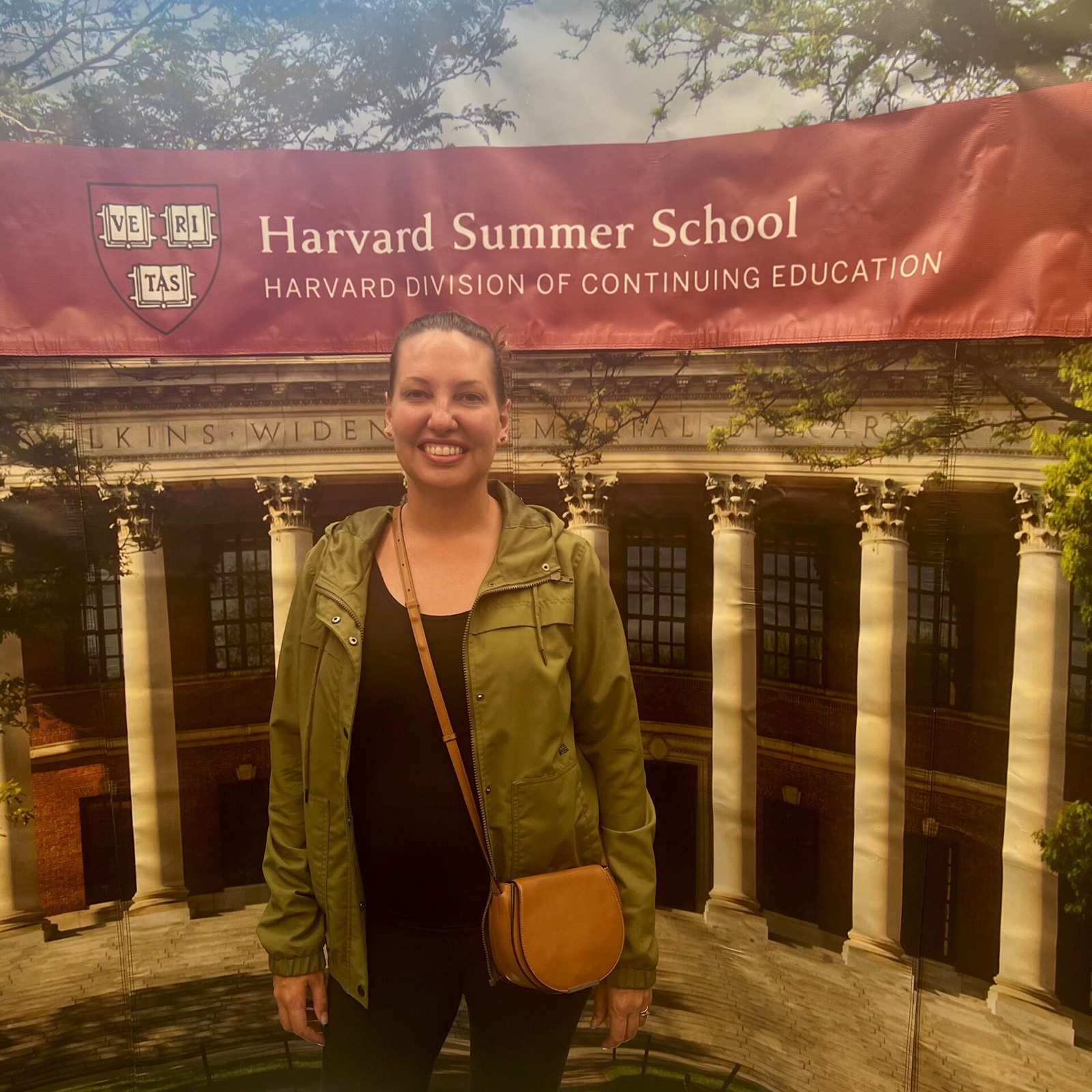
Rather than waiting for an ideal moment, I learned to integrate education into my real life as it was. That balancing act became one of the most meaningful aspects of my experience, reinforcing that growth and ambition don’t have to be postponed while building a career and a family.
Barrier #2: Can I Afford a Graduate Program?
Affordability is among the top concerns for those considering going back to school as an adult. An advanced degree is a big investment in yourself and your future, and it’s also one that deserves careful consideration. Take time to fully understand the tuition and fees for your program of interest, as well as any associated expenses, such as books, supplies, technology, and even travel (for programs that require residencies or immersions).
There are also cost-effective ways to plan your academic journey. Consider how stacking graduate certificates along the way may help maximize your investment by taking courses that count toward multiple credentials. Additionally, part-time study may make it easier to keep working while pursuing a degree, allowing you to continue earning an income as you manage tuition and other expenses.
Finally, financial assistance programs are available to graduate students. Grants, scholarships,, and military and employer tuition benefits can help make your graduate education more affordable. And interest-free payment plans can help make paying for grad school more manageable.
Next step: Talk to the experts
Since finances are such a personal matter, Walsh recommends speaking directly with the admissions and financial aid team at your school of interest. At Harvard Extension School, our experts can help you understand the financial commitment, as well as explore programs available to help you pay for school.
Barrier #3: Will Graduate School Fit My Schedule?
Graduate school may fit your schedule if the program’s format and workload align with the time you can realistically dedicate to coursework.
You have options when it comes to time commitment and class format. If you’re working full time and going to school, adding a full-time course load to your already busy schedule may seem daunting. Instead, consider enrolling part time. If attending live class sessions is tricky with your other after-work responsibilities, look for programs that lean toward asynchronous learning.
Once you choose your program, there’s also the day-to-day time management. Walsh says she’s seen many HES students get creative with how they adjust their schedule.
“I’m a really big fan of asking adults to think about how they use ‘found time,’” she says. “What I mean by that is if you are waiting for your child at soccer practice, can you use that hour in your car to study? Can you use that time to read a chapter or organize your notes?”
She also suggests:
- Planning things out a semester at a time
- Putting all due dates, breaks, and academic milestones on a shared household calendar
- Making a Plan B for unexpected setbacks like a power outage or a vehicle breakdown
- Using paid time off strategically, such as scheduling a day off before an exam to ease your nerves
Next step: Use your time strategically and communicate wisely
Choose a class format that works for you. Use pockets of “found time.” Communicate your needs — and set boundaries — with those around you.
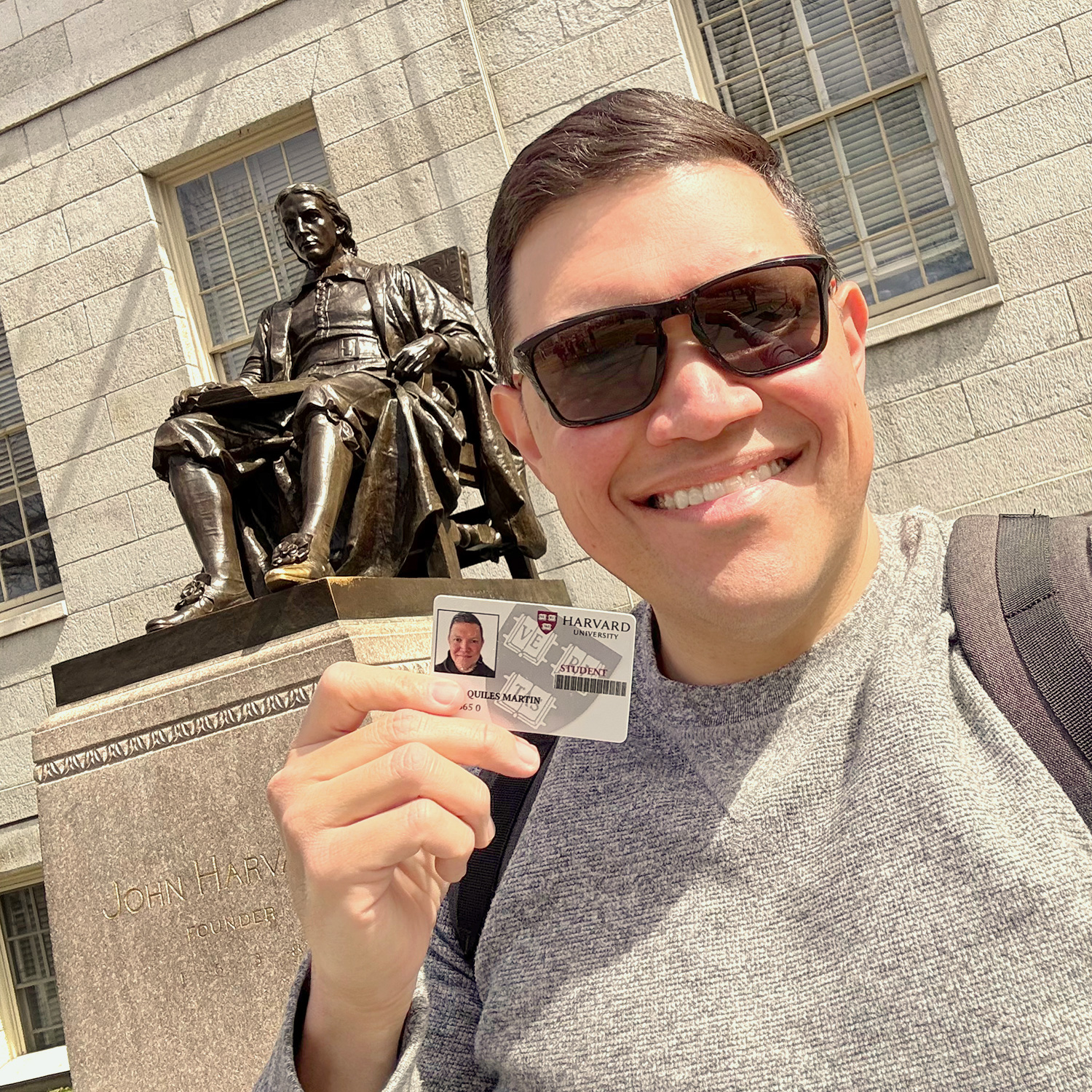
Every week asked for something different: leadership at work, presence as a father, discipline as a student — rarely in equal measure.
Barrier #4: What Should I Go Back to School For?
Your goals can help you decide what to study in graduate school. If, for example, you want to deepen your expertise in your current field, look at programs that build on your experience. If you are considering a career change, explore the knowledge and skills required and how a program can fill any gaps. Then compare programs, including course curriculum and learning outcomes, to find ones that align with your interests. If you’re still unsure, Walsh advises thinking about your “why.”
“Is it because it’s something that you’re passionate about? Are you looking to get the degree because you want to grow at work or that you want to change fields?” she suggests. “It can be deeply personal.”
To help narrow down that why, ask yourself:
- What do I hope to accomplish with additional education?
- What skills or credentials will help me reach that goal?
- How might this complement my existing educational and professional background?
Walsh highly recommends reading through HES student and alumni stories for insights into how people who were once in your shoes chose their specific program — perhaps how it aligned with their existing educational and professional background.
Then look at available graduate degree and certificate programs and see where there are overlaps with your goals and interests.
If you’re curious about a particular subject and want to explore what learning is like at the graduate level, Walsh points out that HES courses are open enrollment. There is no formal admission process to enroll in your first course, so you can test the waters and take things one course at a time.
Next step: Explore your options
Review available programs and consider time, cost, and format. Request information about the ones that interest you most. Talk to an enrollment advisor and, as Walsh suggests, read about other adult learners’ experiences.

I enrolled in the ALM program to shift my career from corporate finance into psychological research, and HES offered exactly the structure and flexibility I needed to make that transition possible.
Barrier #5: Am I Too Old to Go to Graduate School?
According to the National Center for Education Statistics, students over the age of 25 are the largest demographic on college campuses and online classrooms today. Walsh says sometimes the root of the “am I too old” question is less about age and more about “how has college changed since I earned my bachelor’s degree?” (But to get the “age question” out of the way: Harvard Extension School students are in nearly every decade of their adult lives, from 20s to 60s.)
Walsh says a common fear of going back to school centers on technological changes, such as Zoom classrooms, Canvas, and virtual office hours.
“Be aware of the things that might be hard for you and practice them beforehand,” she advises. “Sometimes when we’re trying something new — if there’s a lot of different new information and platforms coming at us — that can become a little bit overwhelming. So I always say, let’s just lower that barrier a little bit.”
Next step: Recognize your advantage
At HES, most students have 10 to 12 years of professional experience. Whether you are going back to school at 40 or earning your master’s at 25, you’ll bring that unique lived experience to the program.

Over my time at HES, realizing that people valued who I was and that I could fit in at college has allowed me to venture out alone to do more volunteer work, attend classes at the local senior center, and have more confidence in myself.
Barrier #6: Is Going Back to School Selfish?
One of the deeper questions people may find themselves asking is how returning to school for a graduate degree may impact those around them — and whether the decision is a selfish one, especially as a parent or caregiver.
Instead, Walsh sees this as an opportunity to set an example for others. “Education changes the world, and education changes you as a human being,” she says. “I think it’s so important to model the behavior of learning and to acknowledge that you’re going back to school.”
If you’re hesitant to go to graduate school because you feel it’s putting yourself above others, consider what this investment can make possible. Career growth, greater earning potential, and increased confidence can all lead to opportunities that may benefit you and your family over time.
Next steps: Talk to your personal support system
Brainstorm ways you can include your children, partner, or older relatives in your learning experience; Walsh suggests a family study hall night.
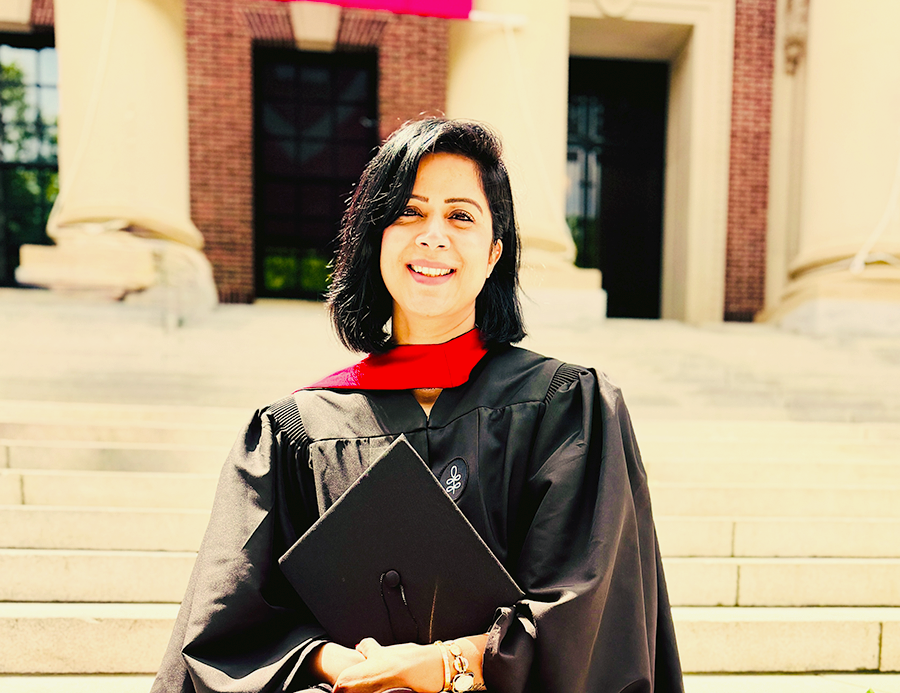
I want to set an example for my daughters. I want to teach my daughters that if you have the willpower, the passion, and the drive, you can definitely achieve all you want in your life. We don’t have to be perfect all the time, but we shouldn’t regret that we didn’t try.
Barrier #7: What If I Fail?
Setbacks are part of the learning process, too. Struggling at first doesn’t mean you’re not capable.
“Give yourself some grace if you’re coming back after some time away,” says Walsh. “Things might feel a little overwhelming at first. Then things might feel okay, and life happens too, right?”
The most important thing, she says, is to ask for help. “[At HES] we are here to support you and help you. We want you to come forward and ask us for help.”
Academic support at HES includes a mix of on-demand resources like online study tools and real-time assistance, such as the Writing Center and Math Question Center. Academic advisors support you throughout your time as a degree candidate. And the teaching staff is available to help you in your courses.
“While they may seem intimidating at first, office hours are a really nice way just to get comfortable talking to someone, especially those first couple classes,” she said. “And instructors love that. That’s what they’re here for. They want you to come in, they want you to ask questions.”
Mindset is also important, says Walsh. To help ease concerns of failure, she offers a few tips to help set students up for success in graduate-level courses, especially those also working full-time. She says a simple change of Zoom background — an image of the Harvard campus, for example — can get you in the mindset of switching from work to school.
“Another piece of advice that I always give students is to build in a fake commute such as a 10-minute walk before class,” she says. “Or, if you work at your desk all day at home, maybe it’s just standing instead of sitting.”
Next step: Ask for help when you need it
Find your support network at home and at school. Use office hours. Tap into academic resources. Learn the habits and mindset that work best for you.
You’ll be surrounded by people from all over the world who are there for the same purpose: to grow, learn, and belong. That sense of community, challenge, and possibility is unlike anything I’ve experienced before.
Reviewing the Barriers: So, Is a Master’s Degree Worth It?
If you’ve been away from school for years or decades, questions about cost, time, family responsibilities, advancing technology, academic readiness, and even whether you still belong in a classroom (virtual or otherwise) can loom large. Understanding those concerns — and making a plan for them — can help make your decision less overwhelming.
When it comes down to it, Walsh says discovering or rediscovering that love of learning is invaluable.
“I don’t think you can ever go wrong with learning something new or being challenged in a different way,” she said. “It doesn’t mean that it’s not hard. It just means that when you put the work in, when you put that time, it is worth it.”
Steps for Returning to School as an Adult (Spoiler: You Don’t Need to Have it All Figured Out)
If you’re considering going to grad school as an adult, rest assured: You have time to figure things out along the way. As HES alumnus Brian Mazmanian said in his spotlight, “Just start. I did, and five years later I can honestly say that I’ve loved every minute of it.”
To recap the concerns and strategies explored above, here are few key takeaways for you, one step at a time:
- Assess your present situation to answer your “why now?”, which will help define your short- and long-term goals
- Explore degree and certificate programs to find the right fit, based on your goals, interests, and timeline
- Talk to your support system about your desire to return school and strategize ways to help it align with your everyday life
- Consider the investment and research your financial aid options, such as tuition assistance from your employer
- Find a manageable starting point, such as taking an introductory course or pursuing a stackable certificate on your way to a full master’s degree
- Have peace of mind that you can ask for help and make adjustments along the way
When Chitra Vashishtha, ALM’26 reflects on pursuing graduate school as a mom and working professional, she says her HES experience reshaped how she viewed her own capabilities.
“Standing in Harvard Yard during Commencement week, it clicked that this was not just about adding a prestigious name to my resume,” she said. “Looking at those brilliant minds around me, I realized it had transformed a decade-plus of professional experience into a deeply rooted confidence in who I am today, while opening my eyes to how much more I still want to learn and grow tomorrow.”