I’ve always been fascinated with data and the stories it tells. I love the process of untangling complex, messy datasets to see what’s underneath.
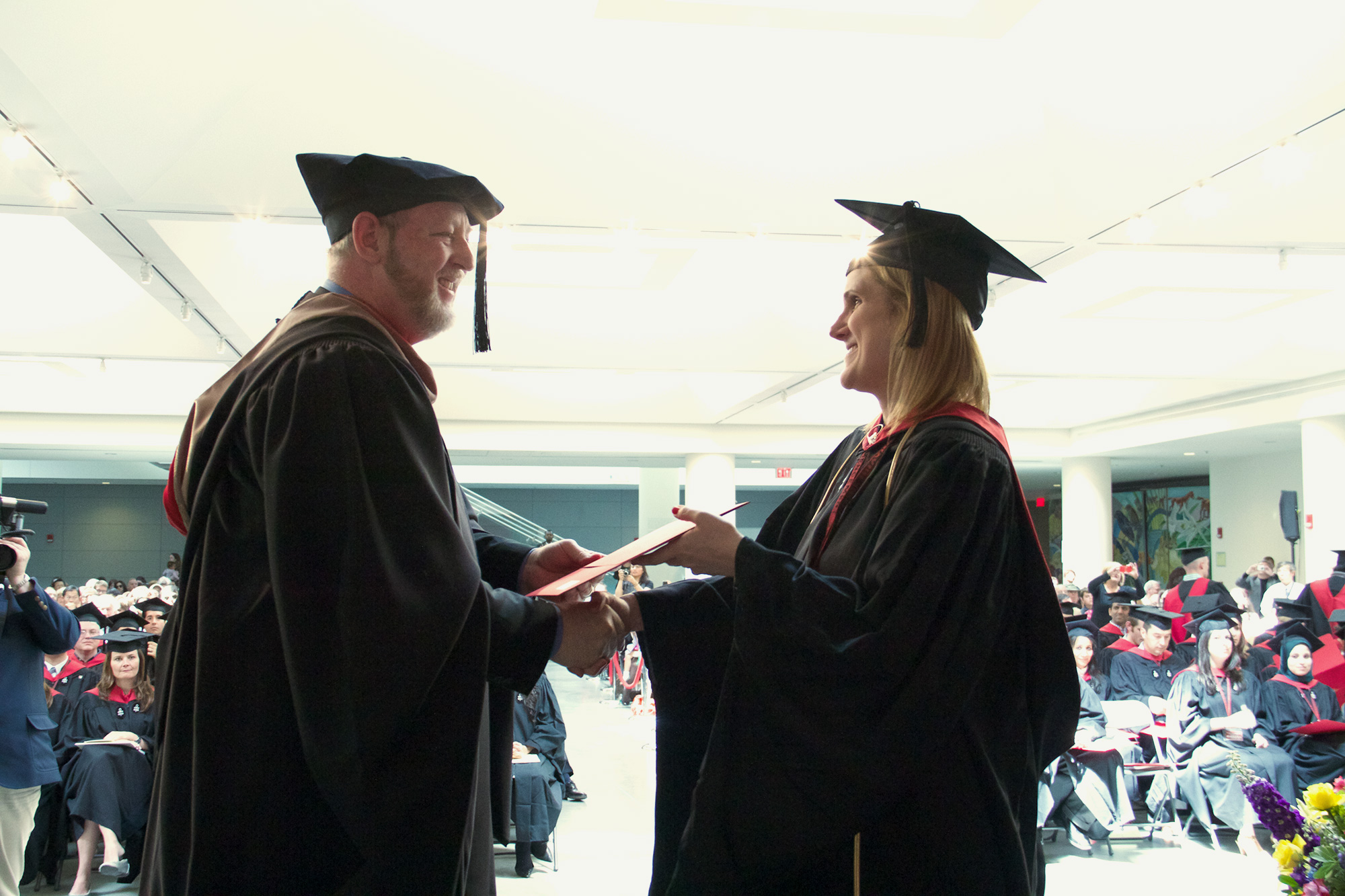
This passion led me to enroll in the data science master’s degree program, taking my next step toward a career centered on understanding how data shapes the world around us.
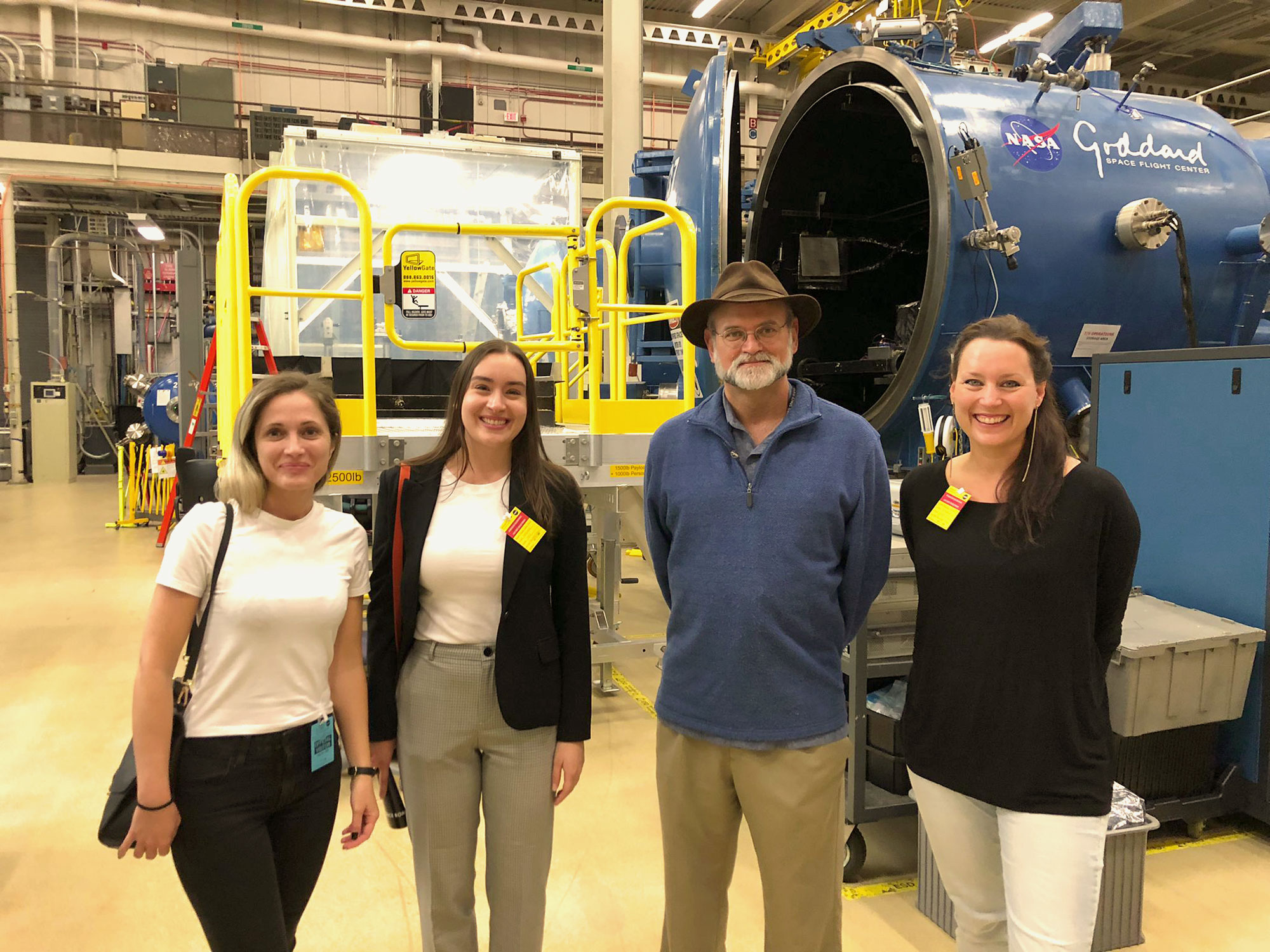
In my work at PGIM, I blend data, technology, and strategy to deliver results. I frequently experiment with technology to automate workflows, improve data quality, and present data more effectively. During my data science graduate studies at Harvard Extension School, I further developed my coding, creative, and teamwork skills, which were immensely useful when I worked with a team to analyze data for NASA for my capstone project.
Data Science Capstone Project with NASA
When I first heard about the NASA opportunity, I was initially drawn in by the name. But I quickly became excited about the project itself. Our team worked on satellite spatial data, looking at phytoplankton in the Southern Ocean and North American lakes.
This subject was completely out of my area of expertise. I knew nothing about phytoplankton when I started. But once I heard that these microorganisms are responsible for more than 50 percent of the oxygen production on Earth, I was fascinated.
Even though this was a new domain, I wanted to stretch my technical and analytical skills. This project presented a perfect opportunity to learn from some of the most talented researchers in the world. My capstone team partnered with NASA scientists, and together we worked to derive meaningful insights from really complex data.
Preparing for the capstone
The precapstone course took place for three weeks on campus during the summer. Industry partners introduced real-world challenges they wanted help solving, and we formed teams around the projects that inspired us. This was when I first heard about the NASA project.
For me, the most exciting part was meeting and collaborating with my classmates as we developed the capstone proposal. We came from different cultural backgrounds, different industries, and perspectives — it opened my mind to what was possible.
Working on a NASA team
Once we developed our project proposal during the precapstone, we had 16 weeks to dig in during the capstone course — to try different techniques, model and transform the data, and present our results. It might sound like a lot of time, but it went by fast!
One of the biggest challenges was narrowing the focus — everything seemed worth exploring, but I had to decide what I wanted to focus on deeply for those four months.
For this project, Python and machine learning were essential to processing, modeling, and presenting the data in a meaningful way. At the same time, nontechnical skills were equally important, like curiosity, collaboration, and adaptability. As a six-person team, we needed to work together to create a meaningful project, switch approaches when facing obstacles, and communicate our insights to our NASA partners.
Reflecting on my experience at Harvard, the most important thing I learned is that confidence doesn’t come from knowing everything — it comes from proving you can figure it out.
Building lasting relationships
The relationship I built during the capstone shaped my experience more than anything else and turned the project into a long-lasting collaboration.
There were many sleepless nights, but they felt much easier because my team was so supportive. We faced a lot of challenges. Some of the data didn’t cooperate, and a few of our initial approaches didn’t work out. But the supportive environment made it easier to work through problems. Our instructors, Dr. Bruce Huang and Dr. Stephen Elston provided great guidance and were really understanding and flexible with us.
They helped us explore multiple directions without overextending the scope, making sure our project stayed ambitious but still realistic within the capstone timeline. They also helped to brainstorm techniques beyond the curriculum and offered detailed feedback. Their flexibility made a real difference for us, as our team was spread across multiple time zones and juggled full-time jobs, and yet, they always found a way to meet us where we were.
The most rewarding part were those moments when I realized how much I had learned and how strong these new connections were. I made friendships that lasted beyond the project.

Life After Harvard
It’s been a year since I officially finished the project, but I’m still working with some of the brilliant people I met during my capstone. I became a teaching assistant for Dr. Huang, and our team has continued collaborating with the NASA leads who brought a real-world depth to the project and inspired us to take it further. Together, we are working on a paper about our results for a scientific peer-reviewed journal, which is genuinely exciting.
Reflecting on my experience at Harvard, the most important thing I learned is that confidence doesn’t come from knowing everything — it comes from proving you can figure it out. This project proved to me that I can take on a challenging problem, learn new skills quickly, and deliver meaningful results. I carry that confidence with me in every step of my career.
Why Harvard Extension School
When I was considering enrolling at Harvard Extension School, I received some great advice: Stop waiting for the perfect moment because it doesn’t exist. If you’re curious, hungry to grow, and ready to work hard — say yes and begin a program.
Harvard Extension School provides world-class resources, brilliant peers, and valuable mentors. A degree from Harvard Extension School isn’t just an educational investment; it’s a way to transform how you approach problems and your overall career trajectory.
But it’s not a shortcut. Harvard Extension School courses are challenging, but they’re also immensely rewarding. Harvard Extension School is designed for people who balance work, life, and learning. There’s a unique mix of flexibility, high standards, and the opportunity to learn from people with real-world experience.
Harvard Extension School showed me that career growth isn’t about having all the answers. It’s about your curiosity, adaptability, and willingness to tackle challenges outside your comfort zone.