What did you learn about your own capabilities through the rigor of your coursework? Were there any moments in particular that pushed you to grow?
I read poetry with admiration and with intimidation. To challenge myself, I enrolled in a course called “Advanced Poetry: Learning from Poets,” expecting to study the craft and apply its principles to prose. Instead, we were asked to write poetry ourselves. The professor was a published poet and my classmates were widely read writers with bodies of work behind them. It was a feast. I wrote poetry for the first time in my life. The attempt deepened my respect for poets and their craft, and it made me an avid reader of poetry, which I had never been. That habit has also altered my prose.
What does earning a Harvard degree mean to you?
Harvard is both a physical and an abstract presence. I came to the ALM program having already been fortunate to study at renowned institutions and working within a storied one. Such places share two qualities. The first is rigor in service of bedrock principles: the work is done seriously because the core values are abiding, and the institution and its people shape one another over time. The second is the stellar caliber of one’s fellow travelers — the people in the room with you, on the same journey, who turn each class into a stimulating milieu. The ALM had both, in full measure.
What earning the Harvard degree means to me, then, is not a credential but a transfiguration. The work was rigorous, the standards exacting but purposeful, the peers peerless, and persistence the requirement. With the graduation, this leg of my journey has concluded; what I carry forward into the lifelong work of learning are the insights of my instructors, the encouragement and feedback of my classmates, and the friendships formed in classrooms and summer residency.
How did you fit your education into your life?
It would have been impossible to pursue ALM while working full time without my wife of 25 years, who carried more than her share and reminded me of looming deadlines, and our two sons — now in graduate studies of their own — who laughed at my procrastination and last-minute scrambles, and cheered me on through the long Sundays.
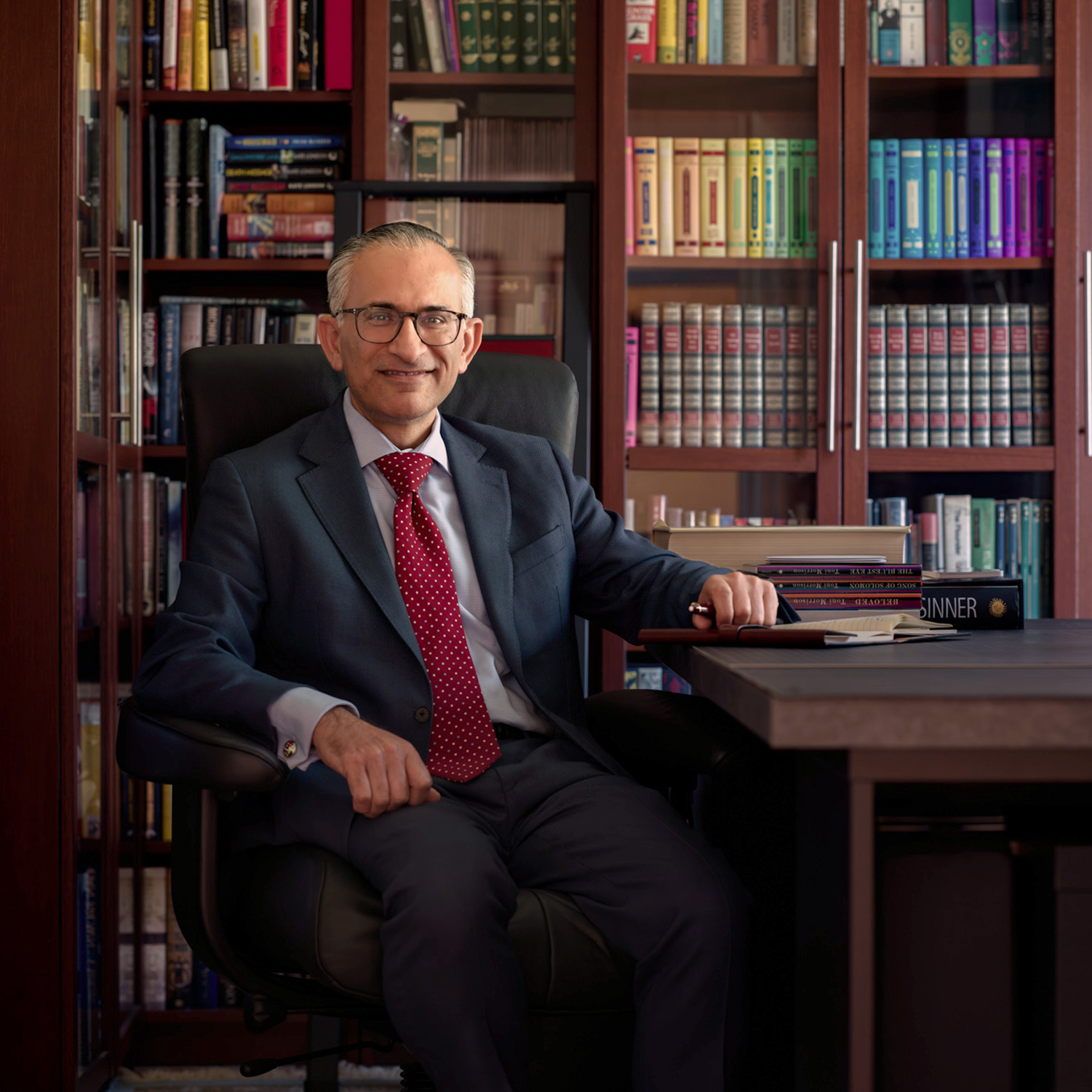
The rest was logistics. My workweeks are long, but weekends, off-call, offer some flexibility. Because my photo essays combine images and narrative, I needed time for both: Saturdays went to photography, Sundays to reading and writing. Assignments often came due on Mondays, which meant the longest days fell at the end of the weekend.
The system worked, though it left no margin — and life rarely respects margins. The plans often broke. I improvised and slept less than I should have.
Describe your Extension experience in one word:
Formative.