Going back to school is an exciting step in your career.
You might be exploring a new field, pursuing a certificate or degree, or reigniting your love of learning. Regardless of your motivation, your first class is important.
To help you move forward with clarity and confidence, the Harvard Extension School’s enrollment services team have 6 key questions to ask yourself as you prepare to enroll.
1. What Are My Goals For Taking This Class?
From earning a master’s degree to simply pursuing an area of personal interest, determine what your goal is first. Take a moment to articulate why you’re doing this. Are you looking to:
- Build new skills for your job?
- Get started on a certificate or degree program?
- Explore a long-standing personal interest?
- Pivot into a new field for your career?
At Harvard Extension School, the enrollment team is there to support and guide you — but to do so, they need to know what you’re working toward. Understanding what you want to get out of your experience also makes sure that we tailor our advice to you and your needs.
More importantly, setting clear goals helps you stay focused, make informed decisions, and get the most value from your coursework. When you know what you want to achieve, every class becomes a purposeful step toward your future.
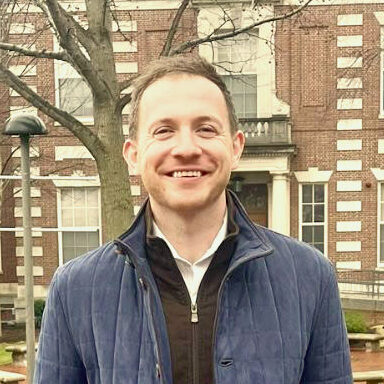
My time at HES furthered a curiosity I’ve long had about how global systems function, and how they can be improved. I’m leaving with more than just credentials. I’m leaving with the confidence to contribute meaningfully, the analytical skills to back it up, and a deep appreciation for the value of truth.
2. Which Learning Format is Best for Me?
HES offers a variety of class formats and experiences, including synchronous and asynchronous online and in-person courses. Evaluate your current schedule, personal responsibilities, and your available time slots. Depending on where you live, it may also be necessary to consider time differences, especially for synchronous courses. You may prefer to work in a group setting or to study alone at your own pace.
Ultimately, even if you’re not 100 percent sure of every single element, use your best judgment and take the leap; you might learn something new about yourself in the process.
3. How Many Courses Should I Take?
Take a step back and evaluate how your coursework will fit in with the other commitments you have during the upcoming semester. We typically recommend you take one to two courses per term, especially if you’re also working full time. If you’re unsure, start with just one course and work up to two in future semesters.
If you’re pursuing a certificate or degree, remember that you can take a semester off when work or life gets especially busy. Many of our students take advantage of this flexibility. Some terms you might be able to take more classes, and others you may need a lighter course load. Check in with yourself each semester to see what’s manageable.
Also consider the different terms throughout the academic year. Fall and spring terms are 15 weeks, the longest summer term is seven weeks, and the January session is only three weeks. This means that one course in the summer or January will be much more intensive — and considerably accelerated — than it would be during the fall or spring terms.
You have the flexibility to choose how many courses you want to take each term, so take into account your personal and professional responsibilities to determine the right timing for you.
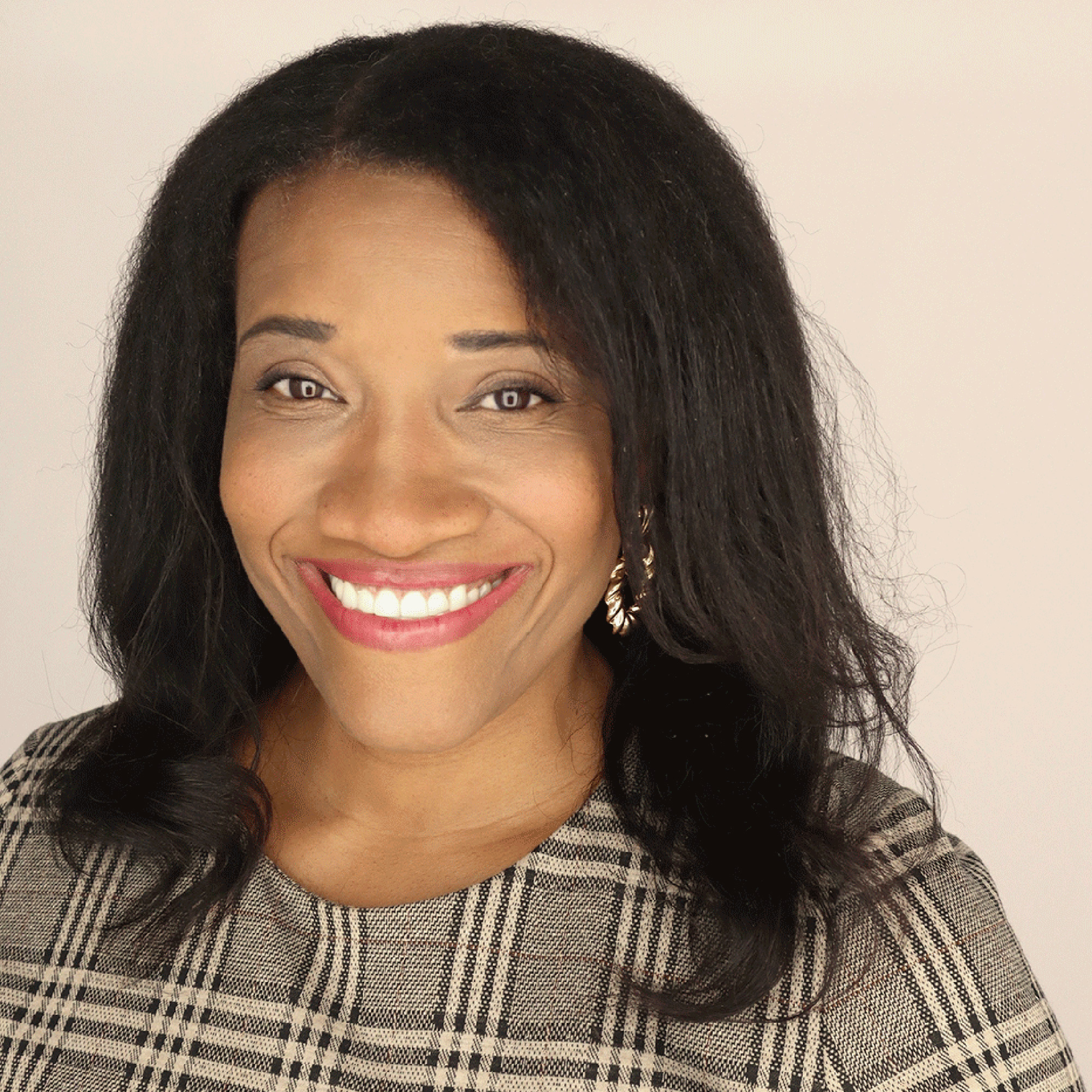
I pursued this degree while working full-time and growing my family — beginning the program as a parent of one and completing it as a parent of three. The flexibility and support offered by HES allowed me to balance my personal, professional, and academic responsibilities without compromise.
4. How Will This Course Fit Into My Long-term Academic Goals or Options?
A major benefit of HES is our “stackable” pathways, which allow you to pursue both a certificate and degree through courses that meet requirements for each program.
If you’re not sure you want to earn a full master’s degree, a graduate certificate and microcertificate is a great way to get acclimated to graduate-level courses, build new career skills, and keep the door open to a graduate degree later down the line.
Another way you can get started is by taking the 2 or 3 required admissions courses for your chosen pathway.
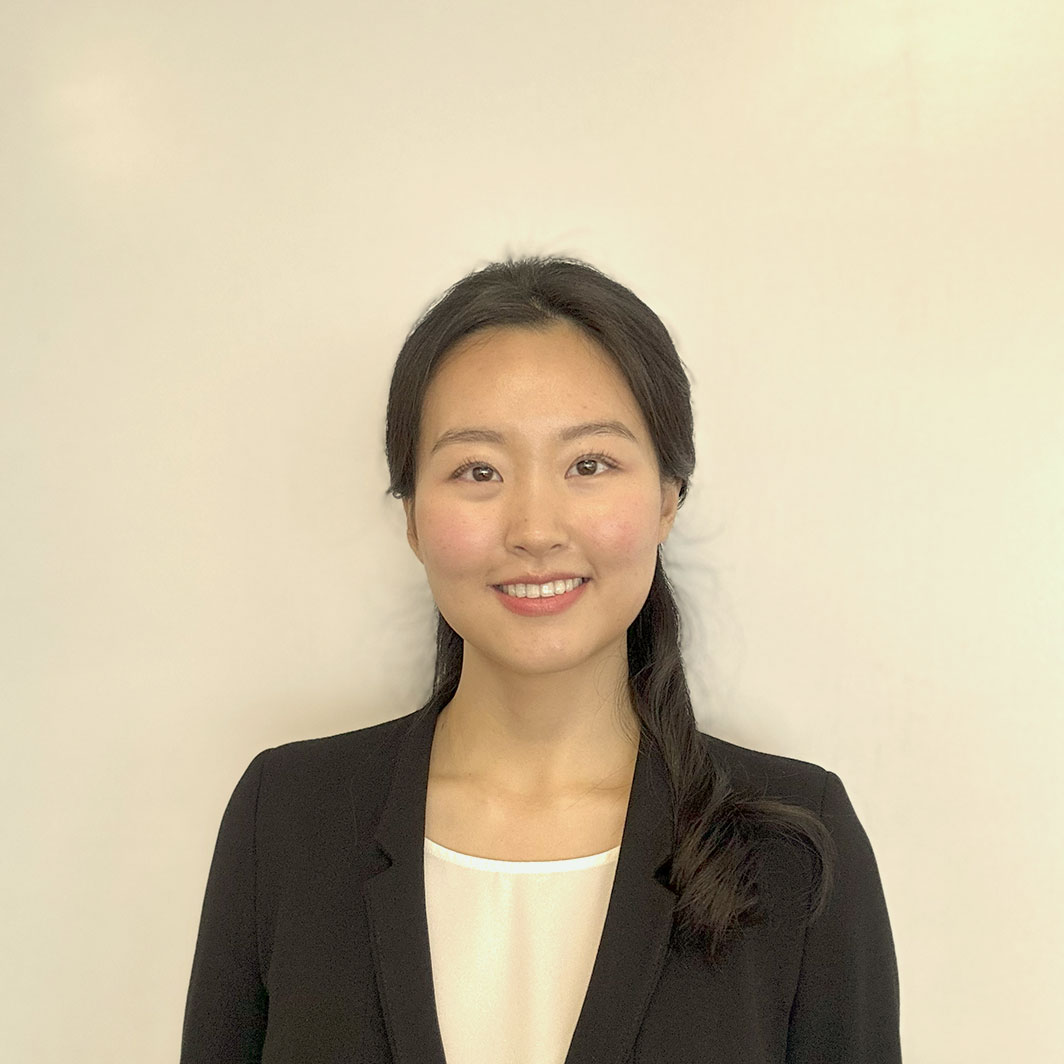
The rigorous coursework prepared me exceptionally well for the MCAT and gave me a strong foundation for medical school. Beyond academics, the PMP also instilled habits of discipline and perseverance that continue to guide me in my medical training.
5. What Support Systems Can I Lean On?
Remember that you are not on this journey alone. Think about:
- Who can support you at home?
- Which colleagues or mentors might encourage your academic goals?
- How do you plan to connect with classmates for community and motivation?
On our side, we offer a wide range of support services, including:
- Tutoring
- Writing support
- Academic advising
- Career advising
- Supportive faculty and staff
Many prospective students are afraid it’s too late to pursue a degree or are worried they might be the only student in their age group. However, HES students come from diverse backgrounds at various stages in their careers. With an average age of 32, most of our students have 10 to 12 years of work experience. To learn more about your future fellow classmates, read our blog, Who Are Harvard Extension School Students?
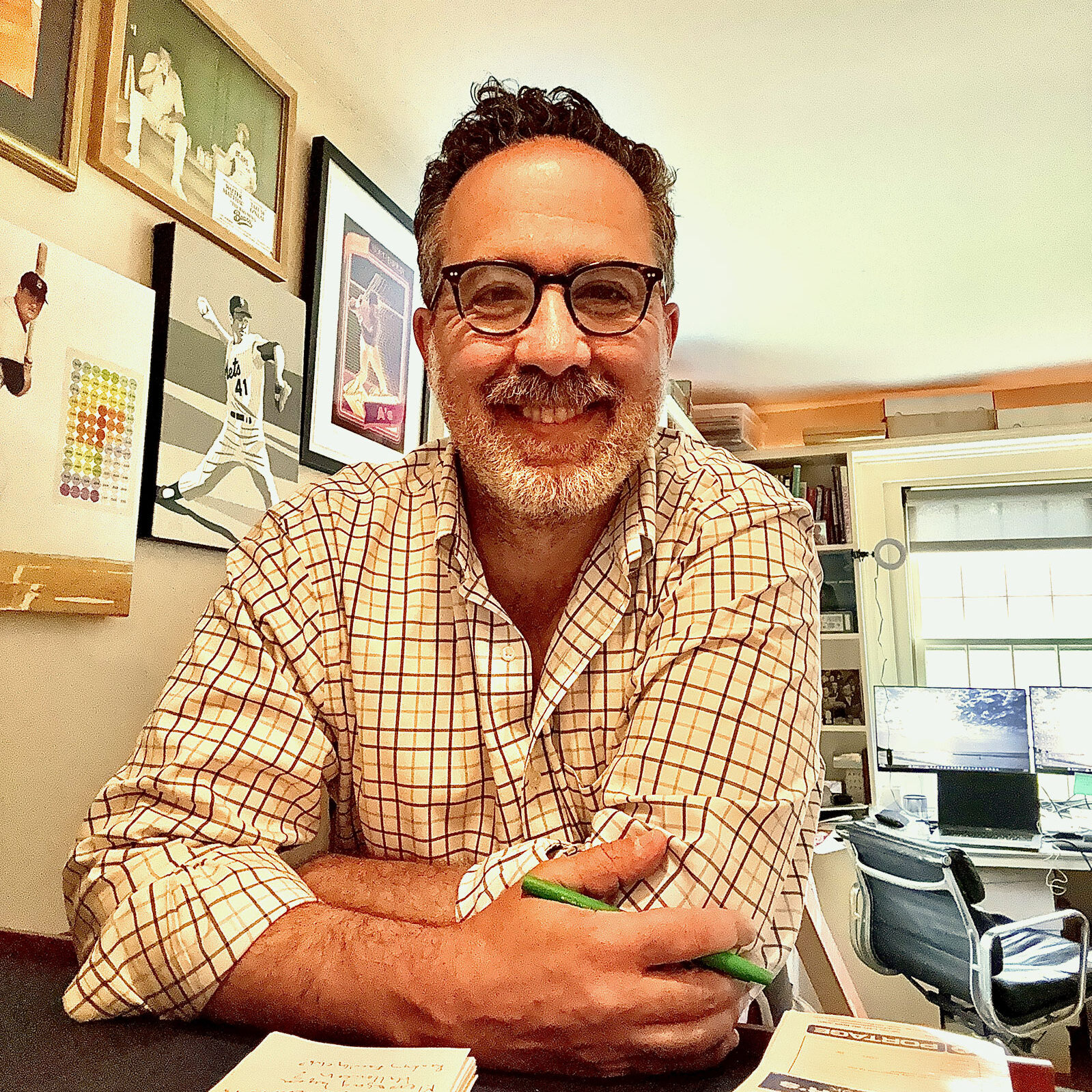
[I enjoyed] the opportunity to discuss readings or collaborate on projects with people across a wide spectrum of age, gender, location, political ideology, nationality, and so much more — always centered in curiosity and mutual respect.
6. Am I Ready for the Next Step?
You don’t need to have everything figured out. As many of our alumni advise: Just start. Thousands of students have discovered new confidence, new opportunities, and new community at Harvard Extension School. If the idea of enrolling makes you feel excited, and if even part of you wonders what could happen if you start, trust that instinct. Your first class could open a door you didn’t expect.
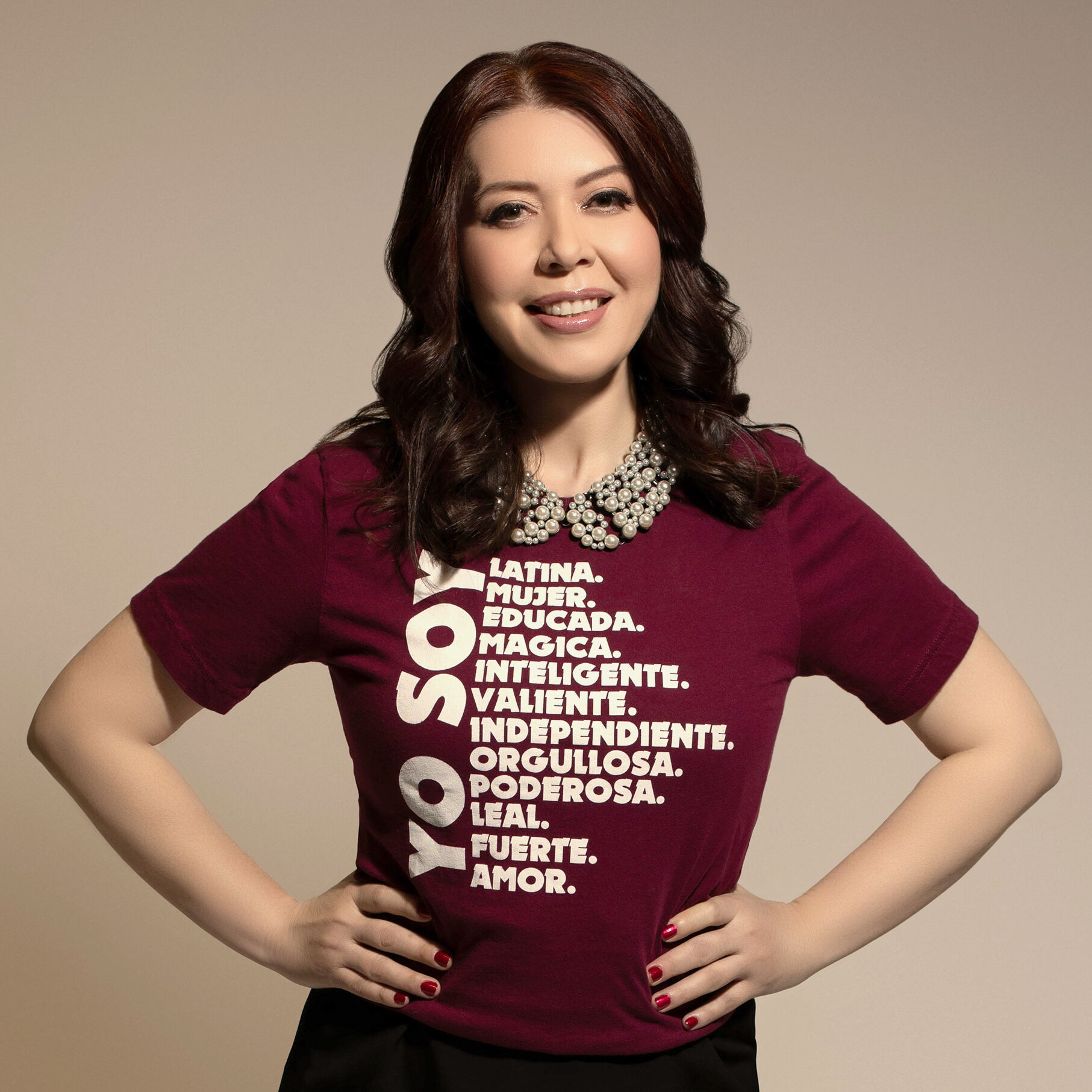
My hard work led me to achieve a degree from one of the most prestigious universities in the world. Something I never thought I would say: I am a Harvard alum.